
-
×
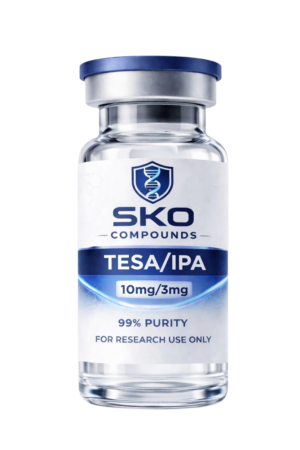 TESA/IPA Blend
1 × $139.99
TESA/IPA Blend
1 × $139.99 -
×
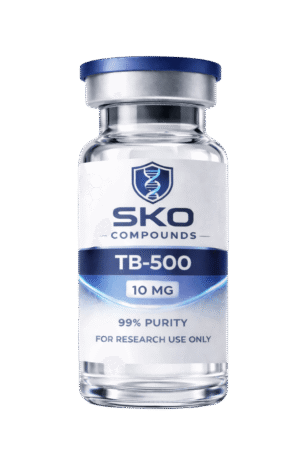 TB-500 10mg
1 × $59.99
TB-500 10mg
1 × $59.99

Explore the Potential of GLP2-TZ in Metabolic and Regenerative Research
GLP2-TZ is a high-purity research peptide gaining attention in laboratories focused on metabolic signaling, gastrointestinal health, and incretin pathway studies. As a synthetic analog in the glucagon-like peptide family, GLP2-TZ offers researchers a powerful tool for investigating dual-receptor activation mechanisms that influence glucose regulation, appetite signaling, and tissue repair processes.
This lyophilized peptide is supplied at ≥99% purity, making GLP2-TZ ideal for in-vitro and preclinical studies exploring advanced metabolic interventions. With its dual-action profile, GLP2-TZ stands out for laboratories examining synergistic effects on insulin secretion, nutrient absorption, and body composition.
Understanding the Science Behind GLP2-TZ
GLP2-TZ functions as a dual incretin receptor agonist, primarily targeting GLP-1 and GIP pathways. This dual mechanism allows researchers to study enhanced glucose-dependent insulin release, slowed gastric emptying, and modulated appetite responses in controlled experimental models.
Unlike single-pathway compounds, GLP2-TZ provides a more comprehensive research model for metabolic disorders. The peptide’s 39-amino-acid structure is engineered for stability and potency in laboratory settings, supporting detailed investigations into how incretin signaling affects energy balance and intestinal function.
Key Research Benefits Associated with GLP2-TZ
Laboratories working with GLP2 have explored numerous promising areas:
- Metabolic Regulation: GLP2 is studied for its potential to support glucose homeostasis and insulin sensitivity in research models.
- Weight Management Studies: The peptide shows interesting effects on appetite suppression and fat metabolism pathways.
- Gastrointestinal Health: GLP2 supports investigations into intestinal barrier function, nutrient absorption, and gut repair mechanisms.
- Cardiovascular and Systemic Effects: Emerging research examines GLP2‘s influence on inflammation, lipid profiles, and overall metabolic health.
- Synergistic Incretin Signaling: The dual GIP/GLP-1 activation makes GLP2 valuable for comparative studies against single agonists.
These attributes position GLP2-TZ as a versatile compound for advanced metabolic and regenerative research.
Mechanisms of Action in GLP2-TZ Research
The effectiveness of GLP2 in experimental settings stems from its ability to activate both GLP-1 and GIP receptors. GLP-1 pathway activation helps slow gastric emptying and promote satiety signals, while GIP enhances insulin secretion in response to nutrients. Together, these pathways in GLP2 create amplified effects suitable for complex metabolic modeling.
Researchers also investigate GLP2 for its role in improving β-cell function and reducing oxidative stress in laboratory models. This multifaceted approach makes GLP2-TZ particularly useful for studies on type 2 diabetes, obesity, and related conditions.
Research Protocols and Dosing Considerations for GLP2-TZ
In laboratory environments, GLP2 is typically reconstituted with bacteriostatic water for precise administration in animal or cellular models. Protocols often involve weekly or daily dosing schedules depending on the specific research objectives. Scientists monitor biomarkers such as HbA1c, body weight, and inflammatory markers when studying GLP2.
Best practices include:
- Consistent storage conditions to maintain peptide stability
- Controlled experimental designs with proper controls
- Detailed documentation of observed physiological responses
GLP2 requires adherence to all institutional and regulatory guidelines for research use.
Why Researchers Prefer GLP2-TZ for Incretin Studies
GLP2 offers several advantages over traditional single incretin compounds. Its dual-agonist design allows for more efficient exploration of synergistic effects, potentially leading to stronger data on metabolic improvements. Many research teams report that GLP2 provides robust results in weight management and glucose control models.
The high purity and consistent quality of GLP2 make it a reliable choice for reproducible experimental outcomes.
Applications of GLP2-TZ in Various Research Fields
GLP2 finds applications across multiple disciplines:
- Diabetes and Obesity Research: Modeling improved glycemic control and weight loss mechanisms.
- Gastroenterology: Studying intestinal adaptation and nutrient uptake.
- Cardiometabolic Studies: Investigating impacts on heart health and lipid metabolism.
- Longevity and Anti-Aging Research: Exploring effects on inflammation and cellular health.
- Performance and Recovery Models: Examining metabolic efficiency in various physiological states.
The broad utility of GLP2 continues to drive innovation in peptide-based research.
Safety and Important Notes for GLP2-TZ Research
GLP2 is strictly for laboratory and research purposes only. It is not intended for human or therapeutic use and has not been approved by regulatory agencies for clinical applications. Researchers must follow all safety protocols, ethical standards, and local regulations when handling GLP2-TZ.
Potential areas of investigation should always prioritize scientific rigor and participant safety in approved study designs.
Comparing GLP2-TZ to Other Research Peptides
GLP2 differentiates itself through its balanced dual-receptor activation, offering more comprehensive metabolic insights than single GLP-1 agonists. This makes it especially valuable for studies requiring robust incretin effects.
Future Directions in GLP2-TZ Research
As interest in incretin-based therapies grows, GLP2 remains a key compound for advancing understanding of metabolic pathways. Ongoing studies continue to uncover new applications in regenerative medicine and chronic disease modeling.
Frequently Asked Questions About GLP2-TZ
What is GLP2 exactly? GLP2-TZ is a synthetic dual GIP/GLP-1 receptor agonist research peptide.
How is GLP2 supplied? It comes as a lyophilized powder for reconstitution in laboratory settings.
What purity level does GLP2 offer? Most suppliers provide GLP2 at ≥99% purity for reliable research results.
Can GLP2 be used in combination studies? Yes, many protocols explore GLP2 alongside other research compounds.
Advance Your Metabolic Research with GLP2
GLP2 represents a significant tool for laboratories at the forefront of incretin and metabolic science. Its potent dual-action profile and research versatility make it an excellent choice for groundbreaking studies in glucose regulation, weight management, and gut health.
Elevate your experimental capabilities with GLP2 and contribute to the future of metabolic research.
Click here to learn more.
To see all our products Visit us.
Be the first to review “GLP2-TZ”
Related products
COA Verified
Price range: $79.99 through $119.99
This product has multiple variants. The options may be chosen on the product page






COA Verified
Original price was: $153.99.$119.99Current price is: $119.99.
This product has multiple variants. The options may be chosen on the product page
Reviews
There are no reviews yet.